
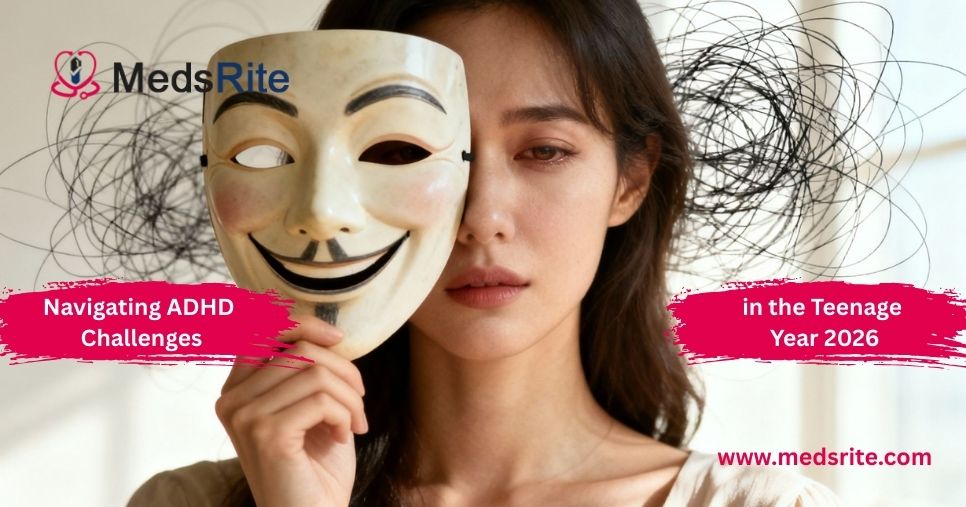
Attention Deficit Hyperactivity Disorder (ADHD) affects millions of teenagers and adults worldwide, but it is still often misunderstood. By 2026, more people are aware of ADHD and are challenging old stereotypes. However, many teens, especially girls and young women, continue to face confusion, missed diagnoses, and a lack of support.
This in-depth guide is designed to help teenagers, parents, and adults understand ADHD beyond labels, recognize symptoms across genders, explore diagnosis and treatment options, and learn how to thrive with an ADHD brain.
ADHD: Understanding the Realities Beyond the Stereotypes
ADHD, which stands for Attention Deficit Hyperactivity Disorder, is not simply a behavioral issue or a sign of poor discipline. It is a brain-based condition that affects how people manage attention, emotions, motivation, and impulse control.
Many people still think of ADHD as something that only affects hyperactive young boys. In reality, ADHD can look very different and is often less obvious, especially in teenagers, women, and adults.
Is ADHD a Disease?
Some people call ADHD a “disease,” but medically, it is a neurodevelopmental disorder. It is not something you catch or something caused by poor parenting.
ADD and ADHD: What’s the Difference?
ADD (Attention Deficit Disorder) is an older terms that is no longer used as a separate diagnosis. Today, (Attention Deficit Hyperactivity Disorder) is the official term and covers all types: predominantly inattentive, hyperactive-impulsive, and combined. When people mention ADD, they usually mean inattentive ADHD, which involves trouble with focus, organization, and follow-through, but not much hyperactivity.
- ADD usually refers to inattentive ADHD.
- ADHD includes inattentive, hyperactive-impulsive, or combined types.
Types of ADHD Explained
ADHD is usually divided into three types based on symptoms. Predominantly Inattentive ADHD includes trouble focusing, disorganization, forgetfulness, and problems finishing tasks. Hyperactive-Impulsive ADHD shows up as restlessness, acting without thinking, talking a lot, and trouble sitting still. Combined Type ADHD has symptoms from both groups and is the most common form.
- Predominantly Inattentive (ADHD-I)
Previously called ADD, this type is often overlooked.
Common signs of inattentive ADHD:
- Difficulty focusing
- Forgetfulness
- Trouble organizing tasks
- Appearing “daydreamy”
- Poor time management
- Hyperactive-Impulsive ADHD
This is the most visible form.
Hyperactivity symptoms include:
- Constant movement or fidgeting
- Interrupting others
- Acting without thinking
- Difficulty sitting still
- Combined Type ADHD
Includes symptoms from both inattentive and hyperactive-impulsive type.
ADHD Symptoms in Teenagers
Teenagers with ADHD often have trouble concentrating, forget things, struggle with time management, act impulsively, and are emotionally sensitive. Their schoolwork and responsibilities can suffer, and they may find it hard to manage emotions, which can impact their self-esteem, relationships, and well-being.
Teenage years intensify ADHD challenges due to:
- Academic pressure
- Social expectations
- Emotional changes
- Increased responsibility
Common Signs of ADHD in Teens
- Inconsistent school performance
- Difficulty completing assignments
- Emotional outbursts or shutdowns
- Low self-esteem
- Trouble maintaining friendships
Many teens with ADHD blame themselves for their struggles and think they are “lazy” or “not good enough.” If this is not addressed, it can lead to anxiety and depression.
ADHD in Teenage Boys and Girls: Similar Challenges, Different Expressions
ADHD affects both teenage boys and girls, but it often looks different. Boys usually show more obvious symptoms like hyperactivity, impulsiveness, and behavior problems. Girls are more likely to be inattentive, feel overwhelmed, have anxiety, and hide their struggles. Still, both groups have trouble with focus, self-esteem, and managing emotions, so support should be tailored to each person.
ADHD in Teenage Boys
Teenage boys with ADHD often show external behaviors, making symptoms more noticeable.
Common signs include:
- Hyperactivity and impulsivity
- Difficulty following classroom rules
- Talking excessively or interrupting
- Behavioral challenges at school
Since these symptoms are easy to notice, boys are often sent for ADHD testing sooner.
ADHD in Teenage Girls
Teenage girls often have ADHD symptoms that are internal and harder to spot.
Because these symptoms are quieter and often hidden to fit in, many girls struggle without being noticed. This can delay or prevent diagnosis, raising the risk of anxiety and low self-esteem.
Common signs include:
- Daydreaming or inattentive ADHD traits
- Emotional sensitivity
- Perfectionism and people-pleasing
- Anxiety or burnout
- Quiet academic struggles
The Diagnostic Gap: Why ADHD Is Overlooked in Girls
ADHD is often missed in girls because their symptoms are more internal than disruptive. Many girls are inattentive, emotionally sensitive, or perfectionistic instead of hyperactive, and they often hide their struggles to fit in. This leads to delayed diagnosis.
Classic vs. Female-Presenting ADHD Symptoms
| Classic ADHD Symptoms | Female ADHD Symptoms |
| Hyperactivity | Mental restlessness |
| Disruptive behavior | Internalized stress |
| Impulsivity | Overthinking |
| External chaos | Emotional overload |
Since ADHD symptoms in girls usually do not bother others, they are often misunderstood or ignored.
The Reality of Inattentive ADHD
Inattentive ADHD is often missed because it does not include the hyperactive behaviors people expect. Teens with this type may have trouble focusing, staying organized, remembering things, and finishing tasks, but they might seem quiet or well-behaved. This can cause misunderstandings, delays in diagnosis, and frustration, since their struggles are not obvious.
What Inattention Really Looks Like
Inattentive ADHD is not a lack of caring. It is about having trouble managing attention.
It may look like:
- Reading without retaining information
- Feeling mentally “stuck”
- Forgetting tasks even when motivated
- Chronic procrastination
Common Inattentive Symptoms Checklist
- Easily distracted
- Poor working memory
- Disorganization
- Difficulty starting tasks
- Mental fatigue
Emotional Intensity and Rejection Sensitivity
Many teenagers with ADHD feel emotions more strongly and are sensitive to rejection. They may react strongly to criticism, failure, or being left out. This can cause anxiety, make them withdraw, or avoid challenges, which makes it harder to build confidence and relationships. Understanding these feelings is important for giving support and reducing self-blame.
Understanding Rejection Sensitivity
Rejection Sensitive Dysphoria (RSD) can cause intense emotional pain in response to:
- Criticism
- Feeling ignored
- Academic failure
- Social rejection
This sensitivity can make teens avoid challenges or pull away from others, even if they are able to handle them.
ADHD, Anxiety, and Emotional Well-Being
Teenagers with ADHD often also have anxiety, since problems with focus, organization, and time management can be stressful. This stress can hurt their emotional well-being, causing overwhelm, self-doubt, and low confidence. Understanding how ADD and anxiety are connected can help teens find ways to cope, become more resilient, and take care of their mental health.
ADHD and anxiety often coexist. For many teens, anxiety develops as a result of:
- Missed deadlines
- Forgetting responsibilities
- Fear of disappointing others
- Repeated negative feedback
Learning about ADHD can help reduce self-blame and build emotional strength.
Masking and Perfectionism in Teenagers
Many teenagers with Many teenagers with ADHD hide their struggles to seem “normal” and try to be perfect to avoid mistakes. These habits might help them fit in, but they often cause emotional exhaustion, anxiety, and delays in getting diagnosed. It is important to notice and address these patterns early.ks Like in Real Life
Masking involves hiding ADHD symptoms to fit expectations.
Examples include:
- Over-preparing to avoid mistakes
- Copying peers’ behaviors
- Suppressing emotions at school
- Emotional exhaustion at home
The True Cost of Masking
Long-term masking may lead to:
- Burnout
- Anxiety or depression
- Loss of self-identity
- Delayed ADHD diagnosis
Understanding Emotional Intensity and Rejection Sensitivity
Teenagers with ADHD often experience heightened emotional intensity and rejection sensitivity, reacting strongly to criticism, perceived failure, or social exclusion. These amplified emotional responses can affect self-esteem, decision-making, and relationships, making it important to provide support, understanding, and strategies to manage emotions effectively.
The Pain of Rejection Sensitivity
Many people with ADHD experience Rejection Sensitive Dysphoria (RSD), which causes intense emotional reactions to perceived criticism or rejection.
This may include:
- Fear of disappointing others
- Avoiding new opportunities
- Emotional shutdowns
- Strong self-criticism
Untangling ADHD and Anxiety
ADHD and anxiety often coexist. ADD -related anxiety typically stems from:
- Missed deadlines
- Social misunderstandings
- Fear of failure
The Hidden Work of Masking and Perfectionism
Many teenagers with ADD spend a lot of energy hiding their struggles and trying to be perfect to meet social or academic expectations. This might make them seem “capable,” but it often leads to emotional exhaustion, anxiety, and feeling not good enough. It is important to notice and address these hidden challenges early.
What Masking Looks Like in Real Life
Masking is the effort to appear “normal” despite internal struggles.
Examples include:
- Over-preparing for conversations
- Copying others’ behaviors
- Hiding emotional reactions
- Pushing through exhaustion
The True Cost of Hiding
Chronic masking can lead to:
- Emotional burnout
- Loss of identity
- Depression and anxiety
- Delayed ADHD diagnosis
ADHD Testing and Diagnosis
Diagnosing ADHD is a thorough process, not just one test. Doctors look at a teenager’s behavior history, symptoms, and daily life, and often ask parents, teachers, and the teen for input. Careful testing helps tell ADD apart from other issues and makes sure teens get the right support and treatment.
ADHD Diagnosis: What to Expect
An ADHD diagnosis is not based on a single test. It typically includes:
- Clinical interviews
- Behavioral history
- Symptom questionnaires
- Functional impact assessment
ADHD Testing for Adults
ADHD testing for adults focuses on:
- Childhood symptom patterns
- Current challenges
- Work, relationships, and daily functioning
ADD Diagnose vs ADHD Diagnosis
“ADHD diagnosis” commonly refers to inattentive ADHD, which is now formally classified under ADHD.
The DSM-5 Diagnostic Criteria for Adult ADHD
According to the DSM-5, ADD symptoms must start before age 12, last for at least six months, and cause problems in several areas of life. Symptoms must show up in more than one place, like home, school, or social situations, and cannot be explained by another condition. This helps make sure the diagnosis is accurate and support is appropriate.
According to the DSM-5, ADD symptoms must:
- Begin before age 12
- Persist for at least six months
- Cause impairment in daily life
- Appear in more than one setting
ADHD Treatment Options in 2026
ADHD Treatment Is Not One-Size-Fits-All
Effective ADHD treatment often includes a combination of:
- Behavioral strategies
- Therapy (such as CBT)
- Lifestyle adjustments
- Medication (when appropriate)
Medications Like Azstarys
Azstarys is a newer medication for ADHD . Some people are prescribed it to help with attention and focus, under a doctor’s supervision.
How to Use CBT for ADHD (That Actually Works)
Cognitive Behavioral Therapy (CBT) helps people with ADHD:
- Identify unhelpful thought patterns
- Build realistic routines
- Reduce avoidance
- Improve emotional regulation
CBT is especially effective CBT works especially well for adults and teens who have inattentive ADHD and anxiety.gency With an ADHD Brain
ADHD brains struggle with tiPeople with ADHD often have time blindness, so tasks do not feel urgent until the last minute.:
- Visual timers
- Breaking tasks into micro-steps
- Body doubling (working alongside others)
- External reminders
Thriving With Your ADHD Brain
Building an ADHD-Friendly Life
Thriving with ADHD means desThriving with ADHD means building your life to work with your brain, instead of fighting against it.ude:
- Reducing unnecessary friction
- Using tools instead of willpower
- Prioritizing rest and recovery
- Celebrating strengths like creativity and problem-solving
Your Path to Diagnosis and Self-Understanding
Finding the Right Professional
Look for professionals experienced in:
- ADD in women
- Adult ADHD symptoms
- Inattentive ADHD
What to Expect During an Evaluation
- Detailed history review
- Symptom discussion
- Functional impact assessment
- Collaborative treatment planning
See Yourself in These Patterns?
If you see yourself in these descriptions, remember you are not broken, lazy, or failing. ADHD is just a way your brain works, not a measure of your value.
Conclusion
Dealing with ADHD as a teenager can feel overwhelming, but learning about it can really help. By 2026, more people see ADHD not as a limitation, but as a different way the brain handles information, emotions, and motivation. When teens, parents, and teachers let go of old stereotypes, real support becomes possible.
With early awareness, the right diagnosis, and strategies that fit them, teenagers with ADHD can build confidence, resilience, and skills for life. No matter how ADHD appears—through inattention, hyperactivity, emotional ups and downs, or feeling overwhelmed—no teen should feel alone or misunderstood.
Supportive environments, kind communication, and focusing on strengths help teens with ADHD not just manage challenges, but thrive. ADHD does not limit a teenager’s potential. Understanding it can lead to growth, self-acceptance, and long-term success.
Frequently Asked Questions (FAQ) on ADHD Symptoms
- What is ADHD and how does it affect?ADHD (Attention Deficit Hyperactivity Disorder) is a neurodevelopmental condition that affects attention, impulse control, emotional regulation, and executive functioning. In teenagers, ADHD can affect school performance, friendships, self-confidence, and daily organization.y organization.
-
What are the most common ADHD symptoms in teenagers?
Common ADHD symptoms in teens include difficulty focusing, forgetfulness, disorganization, impulsivity, emotional sensitivity, time-management issues, procrastination, and inconsistent school performance. Symptoms may vary depending on the type of ADHD.
-
How does ADHD present differently in teenage boys and girls?
Teenage boys with ADHD often show more visible symptoms such as hyperactivity and impulsive behavior. Teenage girls are more likely to experience inattentive symptoms, emotional overwhelm, anxiety, perfectionism, and masking behaviors, which can delay diagnosis.
-
What is inattentive ADHD and why is it often missed?
Inattentive ADHDinvolves challenges with focus, memory, organization, and task initiation without obvious hyperactivity. It is often overlooked because symptoms are internal and less disruptive, especially in girls and academically capable teens.
-
How is ADHD diagnosed in teenagers?
ADHD diagnosis involves a comprehensive evaluation that includes developmental history, behavior assessments, symptom questionnaires, and input from parents and teachers. There is no single test—diagnosis focuses on how symptoms affect daily functioning.
-
What treatment options are available for teenagers with ADHD in 2026?
ADHD treatment may include behavioral strategies, school accommodations, therapy such as cognitive behavioral therapy (CBT), lifestyle adjustments, and medication when appropriate. Treatment plans are personalized based on individual needs.
-
Can teenagers with ADHD still succeed academically and socially?
Yes. With proper understanding, support, and tools, teenagers with ADD can thrive academically, socially, and emotionally. Strength-based support, structure, and self-awareness play a key role in long-term success.